Visualizing Knowledge Production Across Disciplines
“Diagramming Epistemologies” is an interdisciplinary artistic research project that investigates a fundamental question: How do different academic disciplines construct and validate knowledge? The project engages with researchers from diverse fields—including mathematics, geology, linguistics, economics, cosmology, and philosophy—to explore what they take as data and what approaches they use to render that data into something framed as “knowledge”. It is an effort to interrogate and make visible the often-unspoken frameworks and assumptions that underpin knowledge production across the academy.
Diagramming Epistemologies Presentation
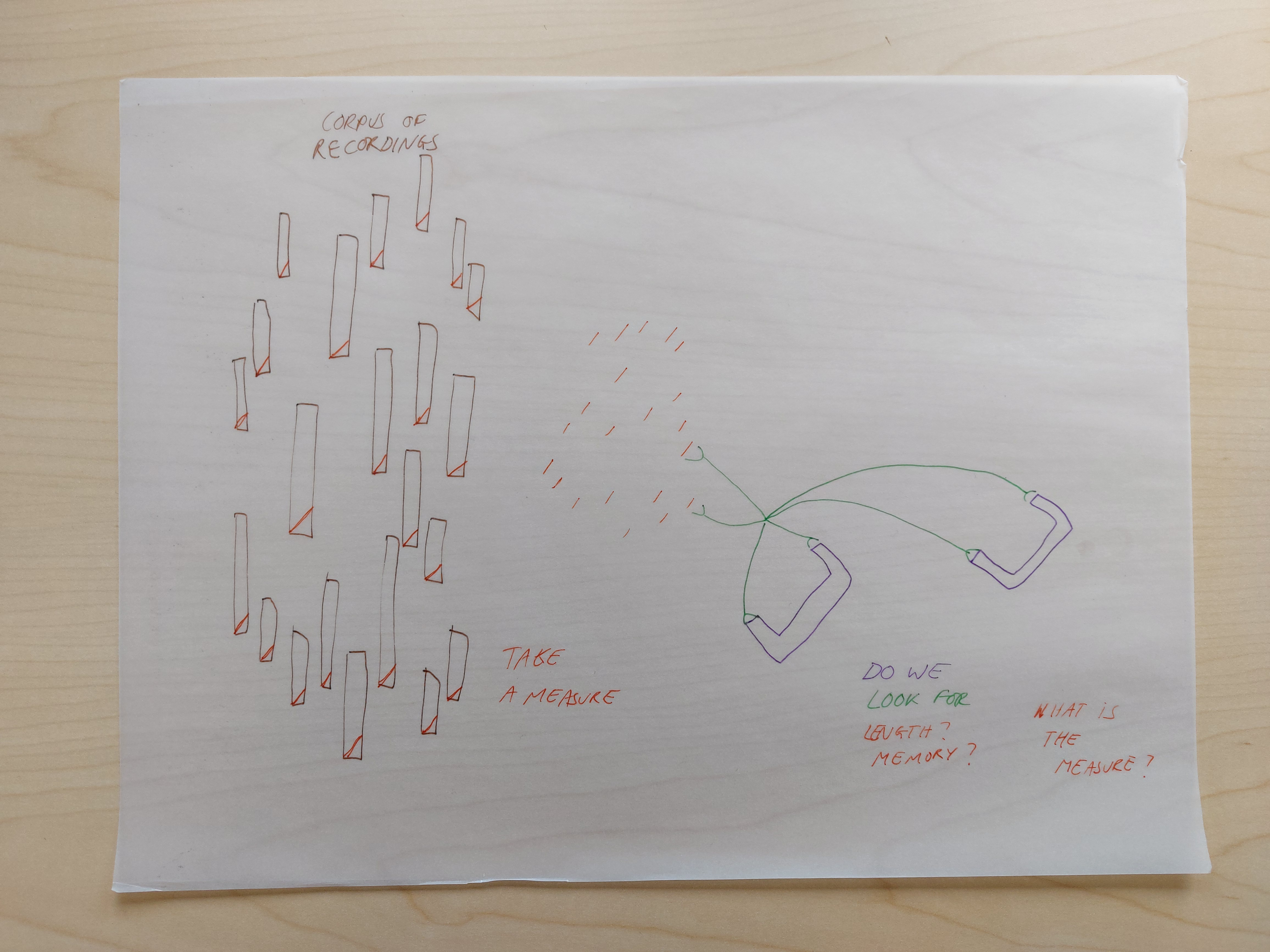

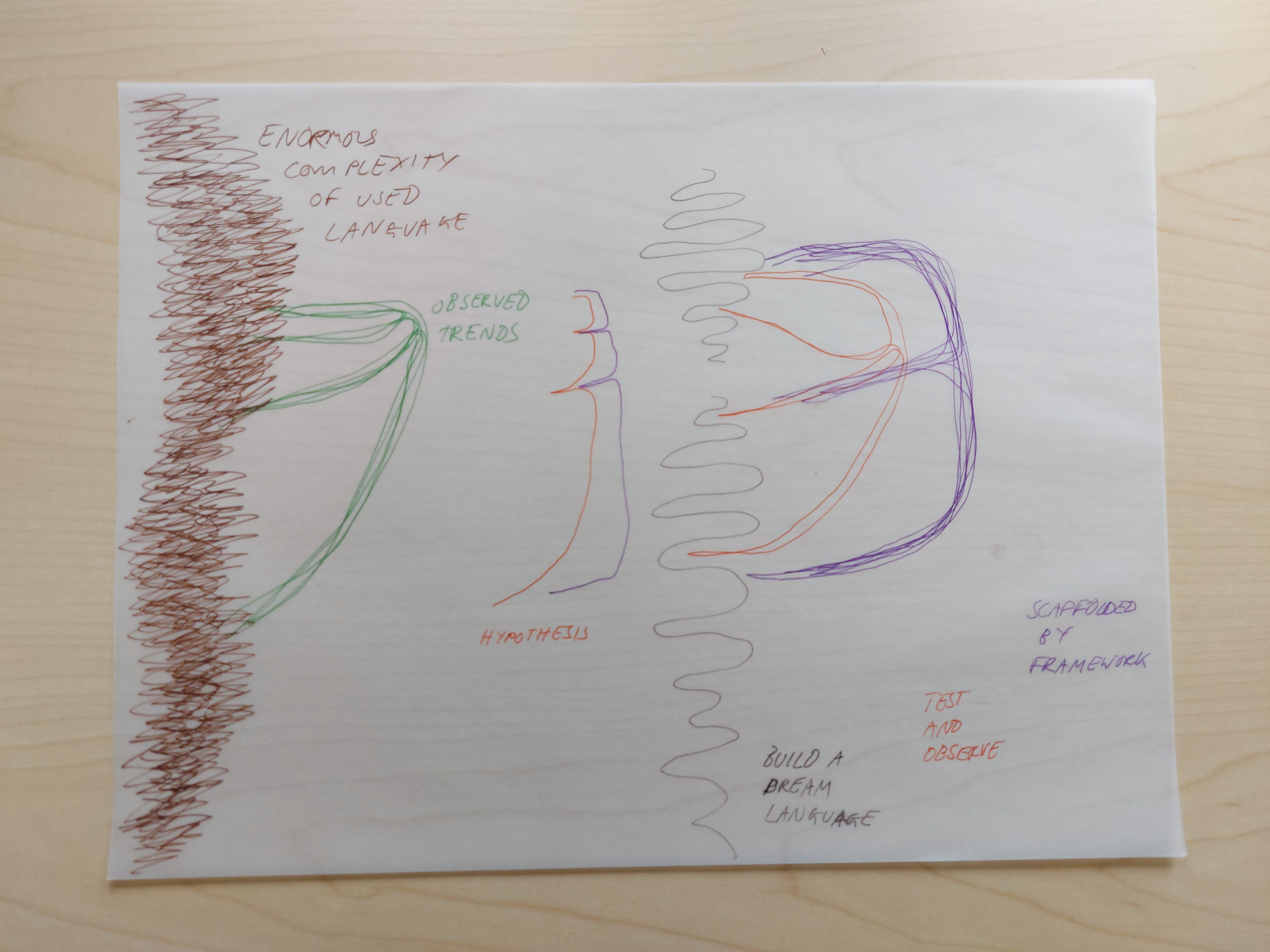
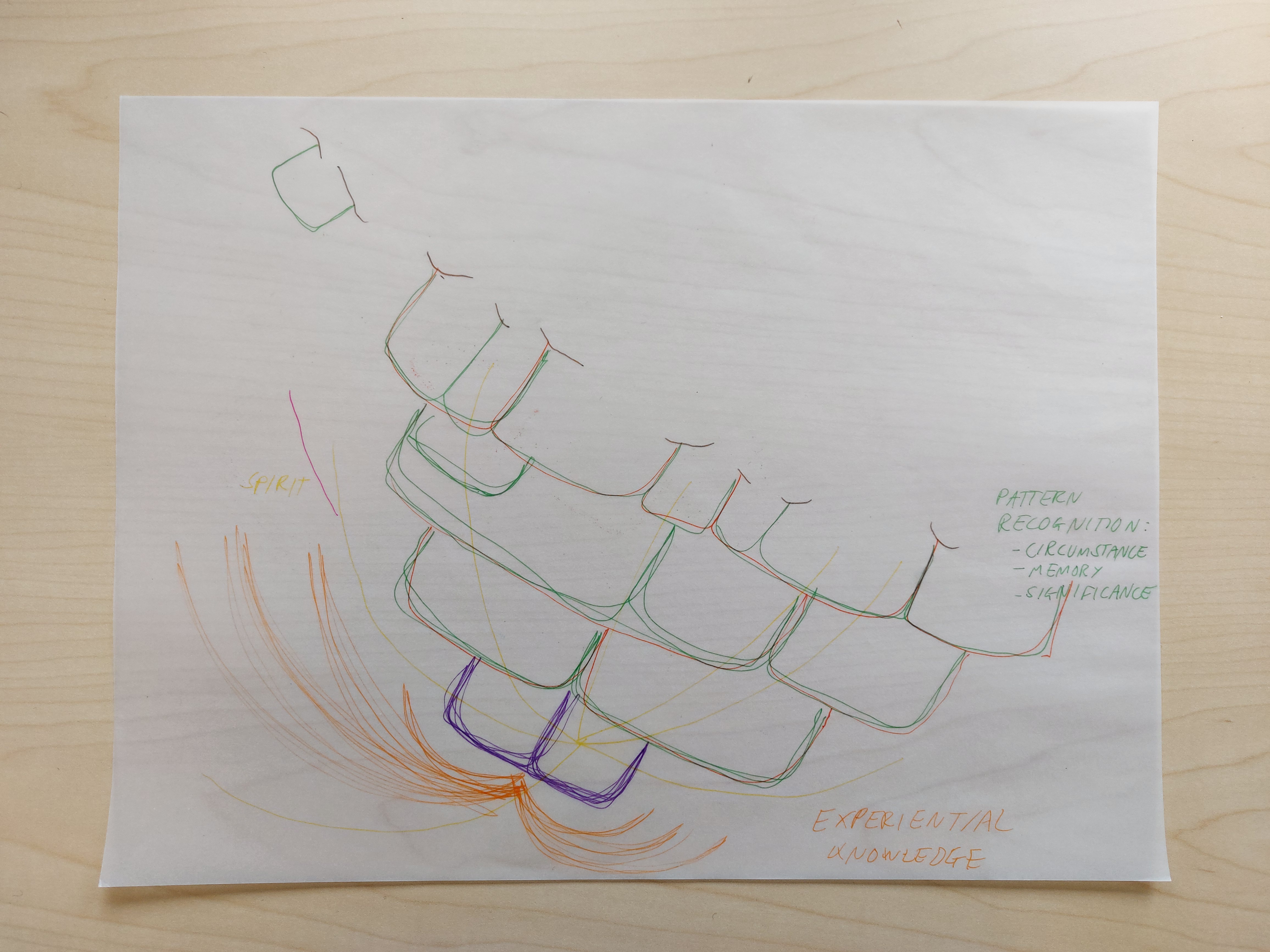
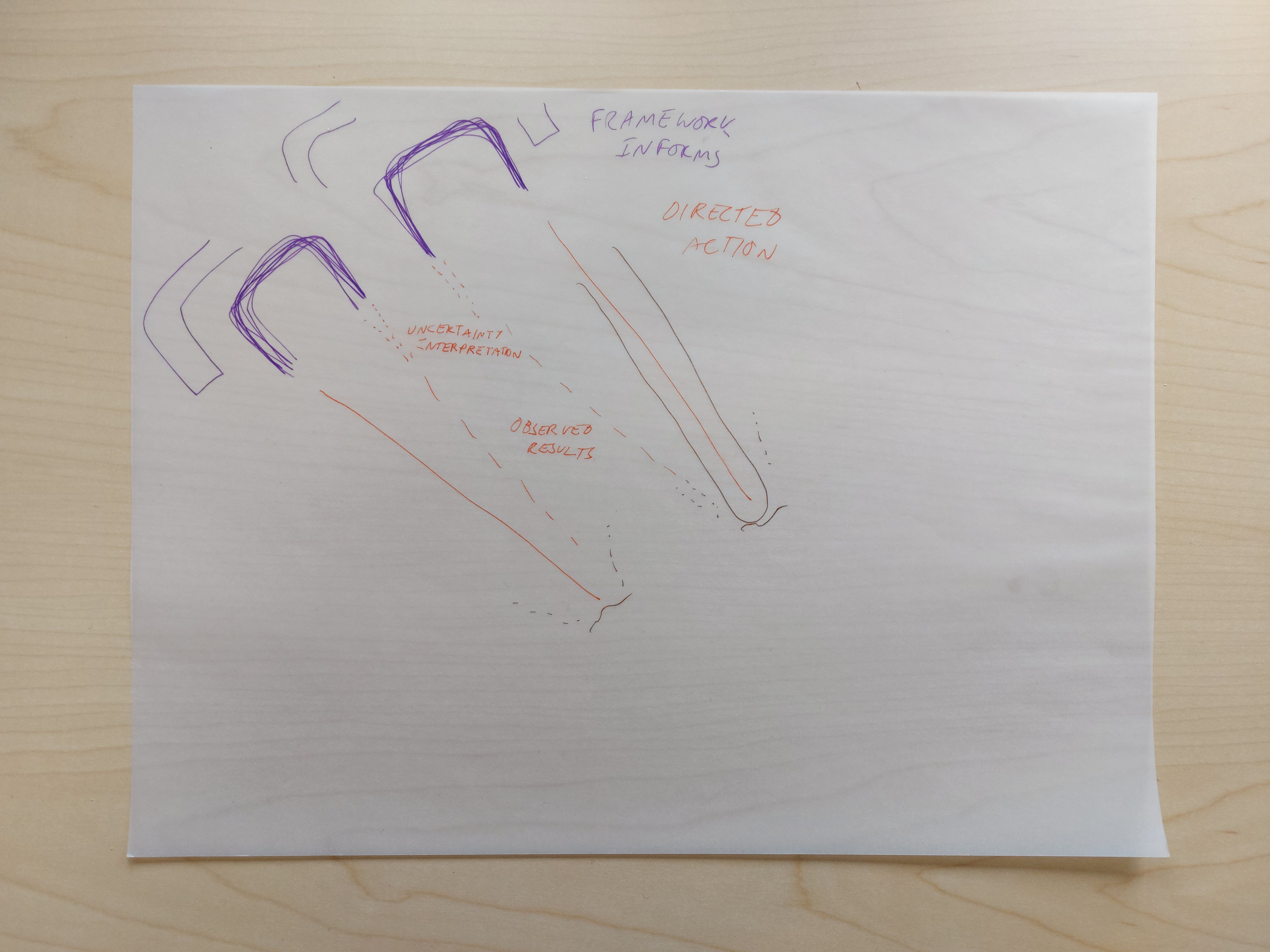
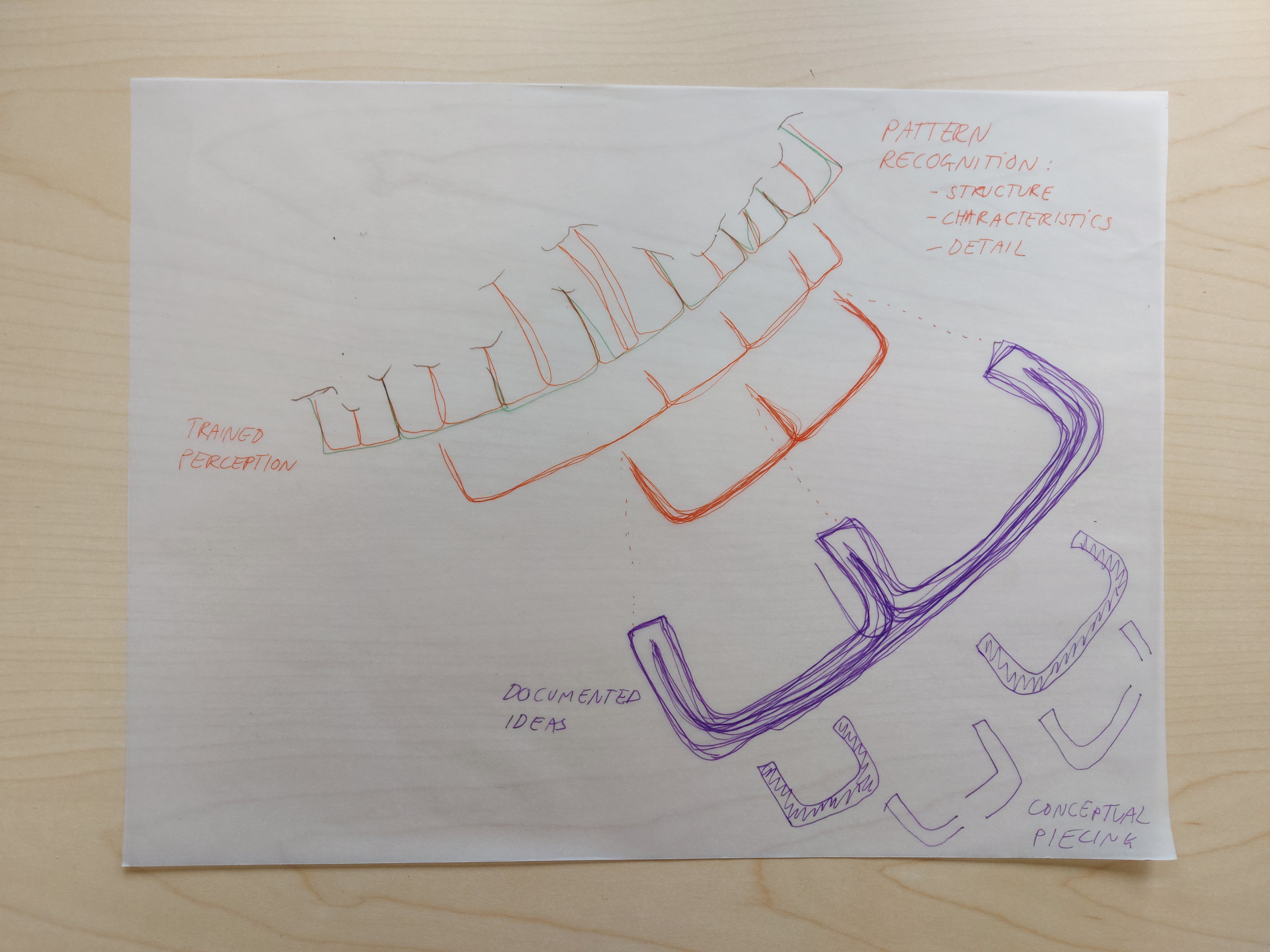

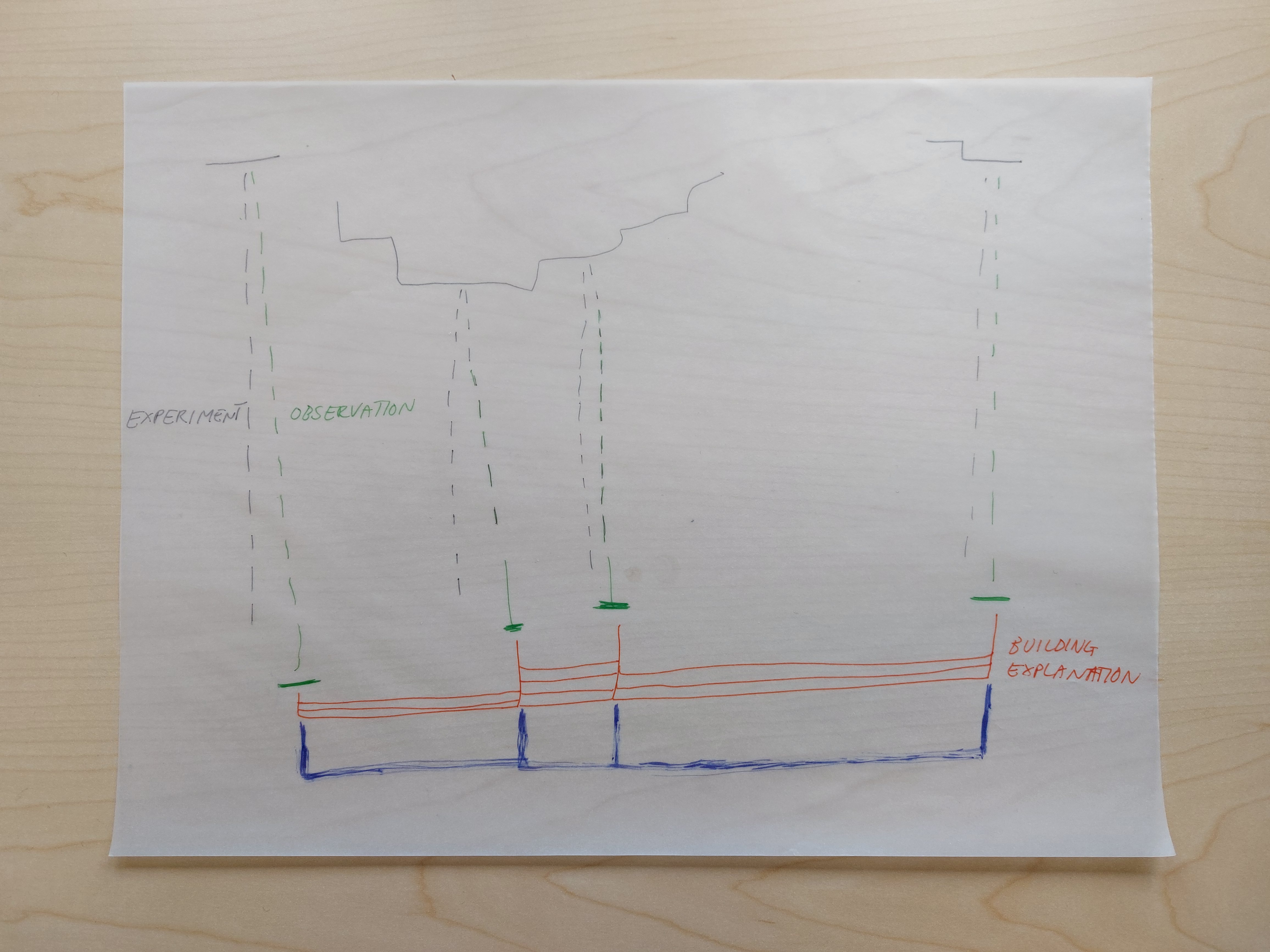
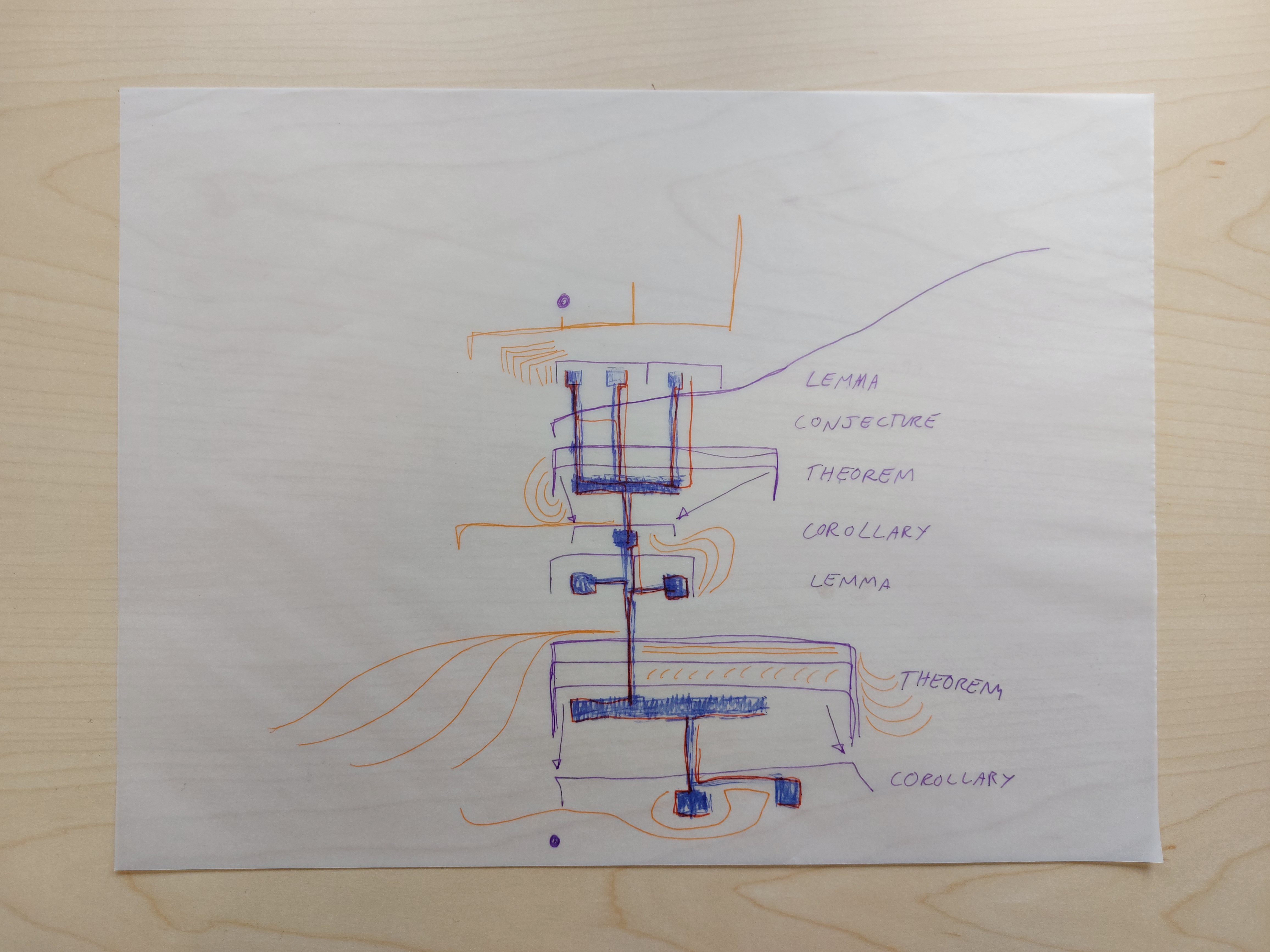
Access the interactive fiction rendering of a participant’s research project, an homage to Olia Lialina, My Boyfriend Came Back From the War, 1996.
Theoretical Framework
The project draws on the work of philosophers Catherine Elgin and Jacques Rancière to understand how artistic practice can serve as a form of epistemological inquiry.
Catherine Elgin
The project follows Elgin’s case that both science and art aim to further understanding through “thought experiments”. Art is treated as an “epistemically rewarding” practice capable of reorienting our thinking and enabling us to see the world differently.
Jacques Rancière
From Rancière, the project draws on the idea that art has a political power to create “dissensus”. It can disrupt our existing “system of sense” (partage du sensible)—the shared understanding of what can be seen, said, and done—to make the assumptions of that system visible.
Methodology and Outcomes
The research methodology combines practice-focused interviews, inspired by the ethnographic approach of Bruno Latour and Steve Woolgar’s Laboratory Life, with a “collaborative creative diagramming practice”.
Project Evolution
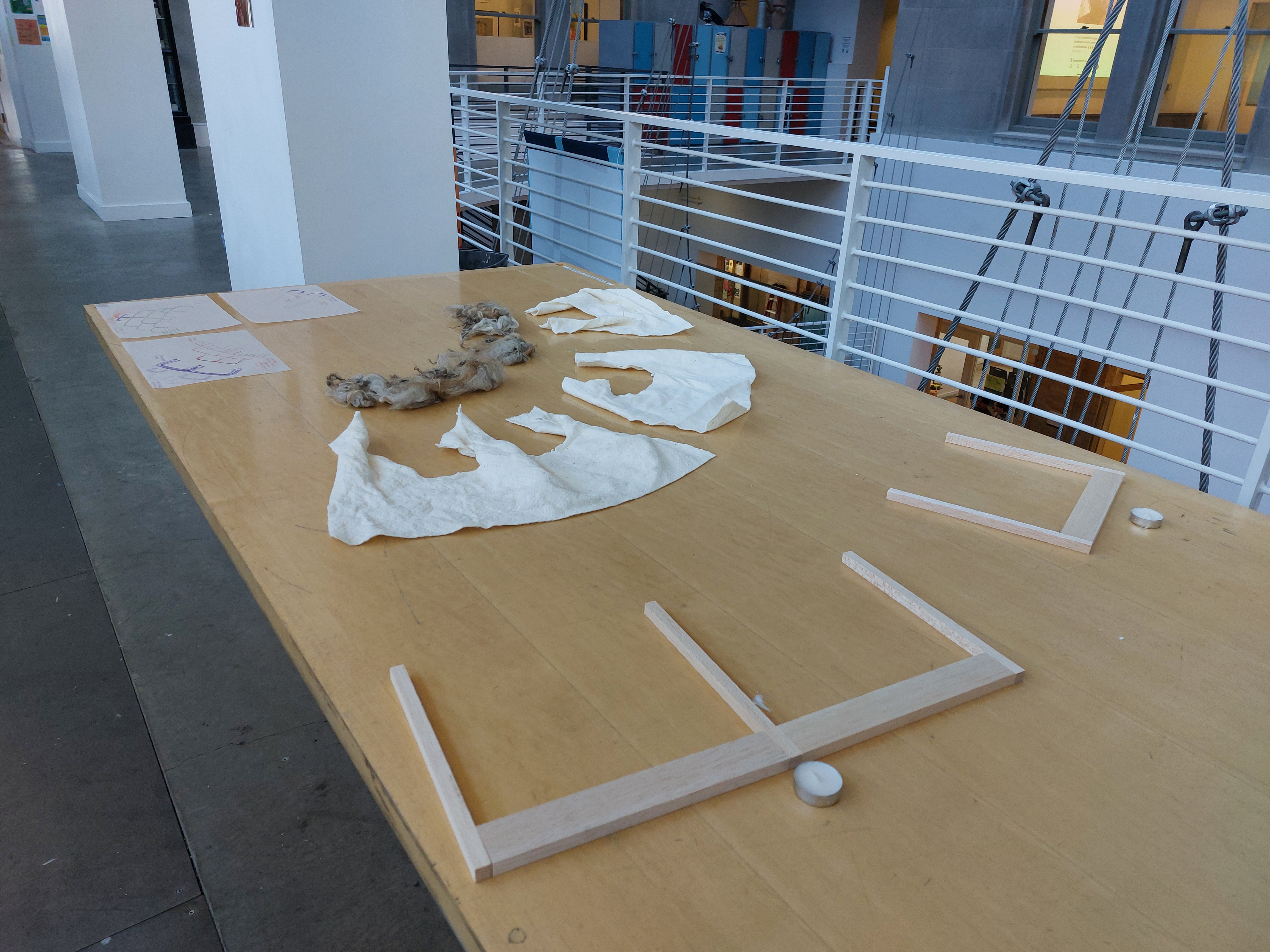
Early methods included live mapping during interviews and arranging physical materials on workbenches to represent research processes. The project has since evolved through multiple outputs, including presentations at the International Congress of Qualitative Inquiry (ICQI) and the creation of an interactive fiction piece. This web-based artwork translated an account of a linguistics research project into an explorable, and intentionally “uncomfortable,” narrative, offering a window into the specialized and difficult-to-decode nature of expert knowledge.


Current Focus: Exhibition of Artefacts
The current focus is the development of an exhibition of research artefacts. This planned installation will feature:
- Physical “Tools of Research”: Items cited by interviewees—such as a contract with an oil company, an office printer, or headphones playing recordings from a linguistic corpus—will be displayed on museum-like plinths. This presentation mimics the “extractive practices of early ethnography,” reframing common academic objects as “artefacts from some strange tribe”.
- Diagrams of Epistemologies: Suspended from the ceiling, large, airy sheets of fabric will display the artist’s abstract diagrams of the knowledge-production frameworks described by researchers. These “unspoken, semi-conscious schemas” are intended to be systematic yet difficult to decipher, evoking the hidden mental structures that guide academic inquiry.
Related Arts-Based Research Collaboration
This project runs in parallel with and informs collaborative work as part of an interdisciplinary working group developing best practices and a philosophical warrant for Arts-Based Research (ABR).
This group—which includes Dr. Nancy Gerber, Dr. Amber Ward, and other scholars—is actively working toward a collaborative, open-access publication. This work is connected to the broader global conversation promoted by organizations such as the ABR Global Consortium .
 Kate McCallum